Silver Necklace for Women
The necklace remains the most versatile piece in silver jewelry: it’s the first thing people notice, it can be worn alone or layered, and it changes character depending on the length you choose. A silver necklace for women is best chosen first by how it will be worn — daytime outfit, evening out, or a gift — before looking at the pattern or pendant that goes with it. Sterling silver hallmarked 925/1000 (92.5% pure silver, the rest a copper alloy for durability) gives that cool brilliance and bright white shine that sets a genuine piece apart from costume jewelry that tarnishes within weeks.
Long Chain, Fine Chain, or Pendant: Three Ways to Wear Silver Every Day
A long chain (sautoir) typically falls between 70 and 90 cm, long enough to rest on the chest or be doubled around the neck for a two-strand look. It’s the style that pulls a simple outfit together: a plain sweater, an open shirt, and the long chain does all the visual work. A short chain of 40 to 45 cm, on the other hand, sits close to the neck and suits an open neckline or a closed collar better, where a longer piece would get lost in the fabric.
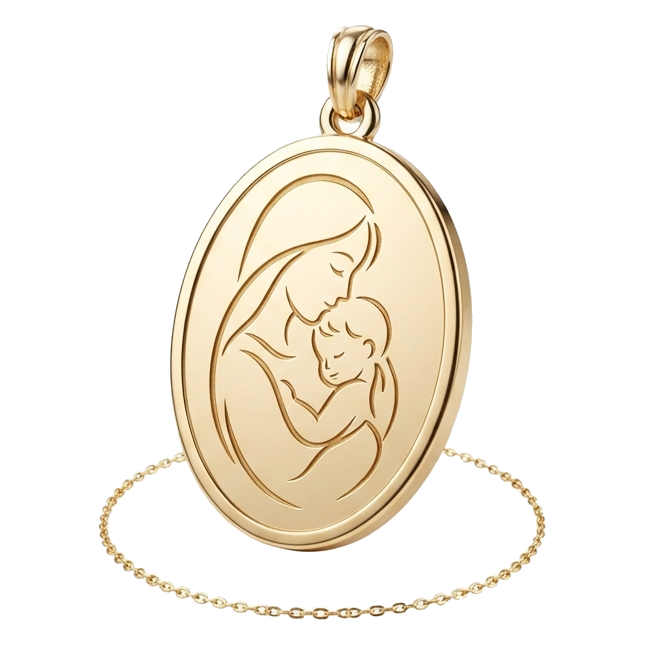
The pendant changes things: it dictates the chain that carries it. A wide, flat pendant needs a fairly thick chain so it doesn’t flip to the side; a small, delicate pendant pairs well with a discreet link style, such as curb or rope, that won’t draw attention away from the design.
Curb, Rope, Figaro Links: What Actually Makes a Difference
- Curb chain: flat, soldered oval links, sturdy and low-movement, well suited to everyday wear with a pendant.
- Rope chain: tightly twisted links, fine and supple, giving a light look whether worn alone or as a long chain.
- Figaro (or curb-link) chain: flattened interlocking links, wider and more visible, striking enough to wear on its own without a pendant.
- Omega chain: interlocking links forming a continuous ribbon, it sits smoothly against the neckline and showcases a central pendant without letting it slide.
Sterling Silver or Vermeil: Two Finishes, Two Uses
Sterling silver 925 keeps its natural white tone and needs regular care to stay shiny. Vermeil adds a fine layer of gold over sterling silver: the result looks close to 18-karat yellow gold at a more accessible price, but the gold plating wears off over time in areas of friction, especially around the clasp. For a piece worn every day without a second thought, plain sterling silver remains the simplest choice; for a piece meant to match gold jewelry, vermeil bridges the visual gap.
Engraving a Pendant: What the Available Space Allows
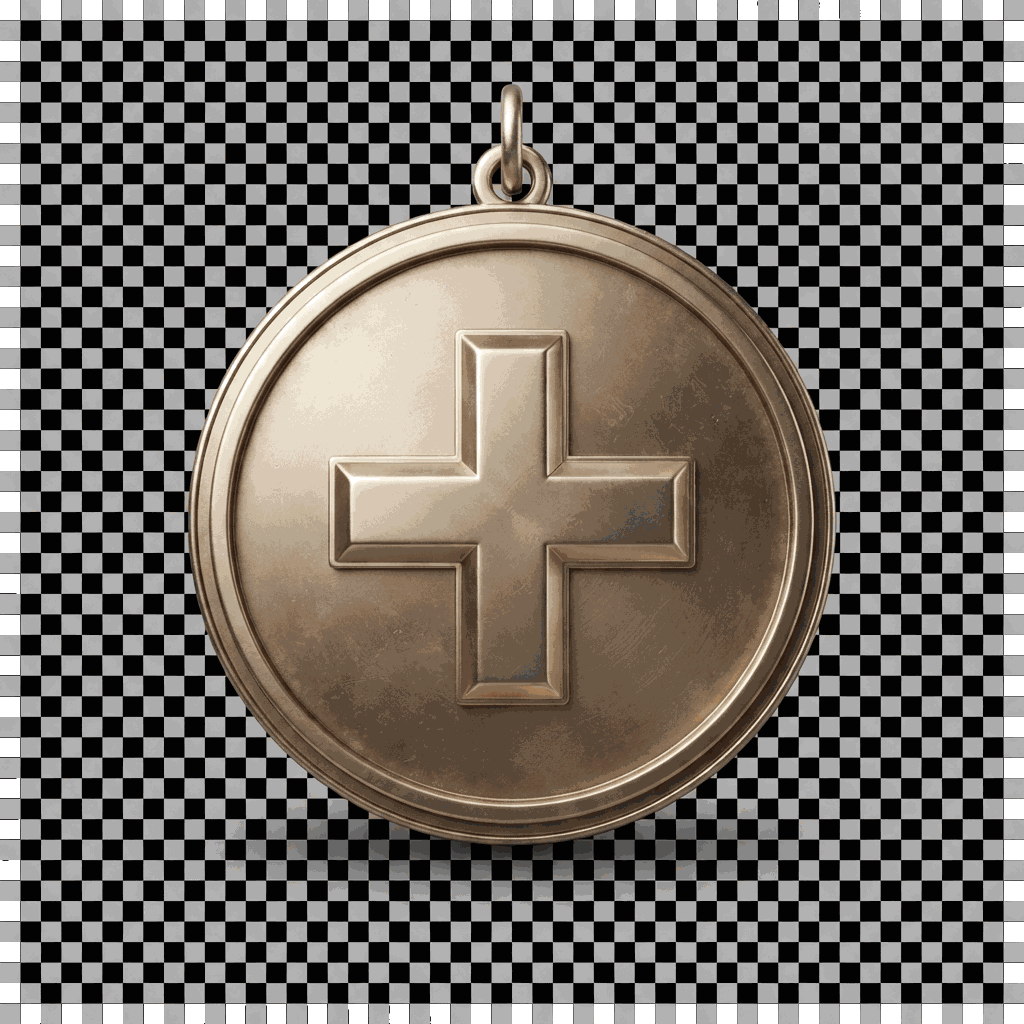
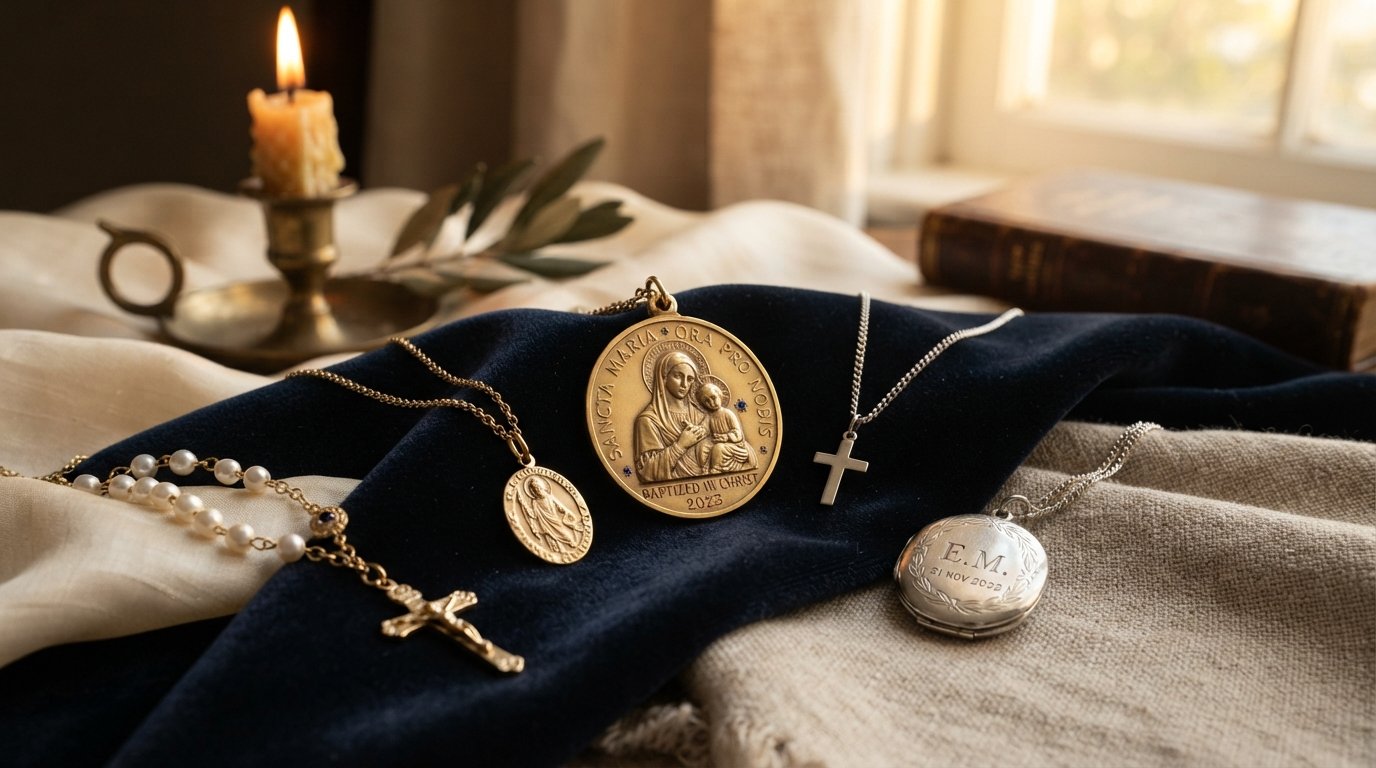
A silver pendant is engraved on the back, on a surface that rarely exceeds 10 to 15 mm wide depending on the design. That leaves room for a short first name, a date in day-month-year format, or initials, but not a full sentence: beyond ten to twelve characters, the engraving loses clarity and the engraver has to shrink the letters until they become unreadable to the naked eye. A simple motif — a heart, a slim cross, a circle — leaves more room for text than a pendant already loaded with detail.
Keeping Silver’s Shine Without Spending Time On It
Silver tarnishes on contact with sulfur found in the air, cosmetics, and certain foods (egg, mustard): this is a normal chemical reaction, not a manufacturing flaw. A soft, dry cloth after each wear is enough to slow this tarnishing down. Direct contact with perfume, cream, or chlorinated pool water speeds up the process instead, as does open-air storage in a humid bathroom. Kept in a closed pouch, away from moisture, a sterling silver necklace keeps its shine for months without any special cleaning.
Depending on the outfit and the pendant you want, it can help to compare chain styles directly: a silver bracelet worn on the wrist follows the same link logic as the necklace, while a medallion pendant is often chosen alongside a matching pair of earrings for a cohesive set. A fine chain suits a figurative pendant just as well as a simple cross, and the clasp — lobster or spring ring — is worth checking if the piece will be put on and taken off often.
Showing all 3 results
-

Beaded chain in silver with yellow gold finish
£96.99 -

Gold-plated Josephine token only
£66.99 -

Silver bead chain
£71.99
The necklace remains the most versatile piece in silver jewelry: it’s the first thing people notice, it can be worn alone or layered, and it changes character depending on the length you choose. A silver necklace for women is best chosen first by how it will be worn — daytime outfit, evening out, or a gift — before looking at the pattern or pendant that goes with it. Sterling silver hallmarked 925/1000 (92.5% pure silver, the rest a copper alloy for durability) gives that cool brilliance and bright white shine that sets a genuine piece apart from costume jewelry that tarnishes within weeks.
Long Chain, Fine Chain, or Pendant: Three Ways to Wear Silver Every Day
A long chain (sautoir) typically falls between 70 and 90 cm, long enough to rest on the chest or be doubled around the neck for a two-strand look. It’s the style that pulls a simple outfit together: a plain sweater, an open shirt, and the long chain does all the visual work. A short chain of 40 to 45 cm, on the other hand, sits close to the neck and suits an open neckline or a closed collar better, where a longer piece would get lost in the fabric.
The pendant changes things: it dictates the chain that carries it. A wide, flat pendant needs a fairly thick chain so it doesn’t flip to the side; a small, delicate pendant pairs well with a discreet link style, such as curb or rope, that won’t draw attention away from the design.
Curb, Rope, Figaro Links: What Actually Makes a Difference
- Curb chain: flat, soldered oval links, sturdy and low-movement, well suited to everyday wear with a pendant.
- Rope chain: tightly twisted links, fine and supple, giving a light look whether worn alone or as a long chain.
- Figaro (or curb-link) chain: flattened interlocking links, wider and more visible, striking enough to wear on its own without a pendant.
- Omega chain: interlocking links forming a continuous ribbon, it sits smoothly against the neckline and showcases a central pendant without letting it slide.
Sterling Silver or Vermeil: Two Finishes, Two Uses
Sterling silver 925 keeps its natural white tone and needs regular care to stay shiny. Vermeil adds a fine layer of gold over sterling silver: the result looks close to 18-karat yellow gold at a more accessible price, but the gold plating wears off over time in areas of friction, especially around the clasp. For a piece worn every day without a second thought, plain sterling silver remains the simplest choice; for a piece meant to match gold jewelry, vermeil bridges the visual gap.
Engraving a Pendant: What the Available Space Allows
A silver pendant is engraved on the back, on a surface that rarely exceeds 10 to 15 mm wide depending on the design. That leaves room for a short first name, a date in day-month-year format, or initials, but not a full sentence: beyond ten to twelve characters, the engraving loses clarity and the engraver has to shrink the letters until they become unreadable to the naked eye. A simple motif — a heart, a slim cross, a circle — leaves more room for text than a pendant already loaded with detail.
Keeping Silver’s Shine Without Spending Time On It
Silver tarnishes on contact with sulfur found in the air, cosmetics, and certain foods (egg, mustard): this is a normal chemical reaction, not a manufacturing flaw. A soft, dry cloth after each wear is enough to slow this tarnishing down. Direct contact with perfume, cream, or chlorinated pool water speeds up the process instead, as does open-air storage in a humid bathroom. Kept in a closed pouch, away from moisture, a sterling silver necklace keeps its shine for months without any special cleaning.
Depending on the outfit and the pendant you want, it can help to compare chain styles directly: a silver bracelet worn on the wrist follows the same link logic as the necklace, while a medallion pendant is often chosen alongside a matching pair of earrings for a cohesive set. A fine chain suits a figurative pendant just as well as a simple cross, and the clasp — lobster or spring ring — is worth checking if the piece will be put on and taken off often.
